

Cambodia has formally dismissed Thailand’s proposal to terminate the 2000 Memorandum of Understanding (MOU) governing survey and demarcation of the land border, calling the move a breach of international law that would heighten confrontation rather than resolve long-standing territorial disputes.
The dispute escalated after a Thai Senate ad hoc committee urged the government to revoke the 2000 agreement, known as MOU 43, which establishes the framework for the Joint Boundary Commission (JBC) to survey and mark the 817-kilometre land boundary. In a statement issued on March 26, 2026, Cambodia’s State Secretariat of Border Affairs rejected the proposal as “politically motivated” and warned that unilateral cancellation would undermine more than two decades of border diplomacy.
Legal status and Cambodia’s position
Cambodian officials stressed that the 2000 MOU is a legally binding treaty registered with the United Nations Secretariat, and therefore cannot be unilaterally nullified by invoking domestic procedures or political considerations. “Based on principles of international law, under any circumstances, Thailand cannot invoke its domestic laws or internal procedures, or any other reasons, as a means to revoke the MOU 2000,” the State Secretariat said.
The spokesperson emphasized that the agreement provides the only recognized mechanism for peaceful settlement through the JBC and called for the immediate resumption of survey and demarcation work under that framework. Cambodia reiterated its commitment to resolving border issues “through all peaceful means” and said it remained ready to work with Thailand to achieve long-term stability along the frontier.
Thailand’s rationale and broader context
Thai officials have argued that the existing MOUs are outdated and no longer suited to current realities, citing a lack of progress in negotiations and repeated border incidents over the past 25 years. In January 2026, Thai Prime Minister Anutin Charnvirakul called for a fundamental review or replacement of both the 2000 land-border MOU and the 2001 maritime MOU, suggesting a new framework reflecting modern surveying methods and clearer legal principles.
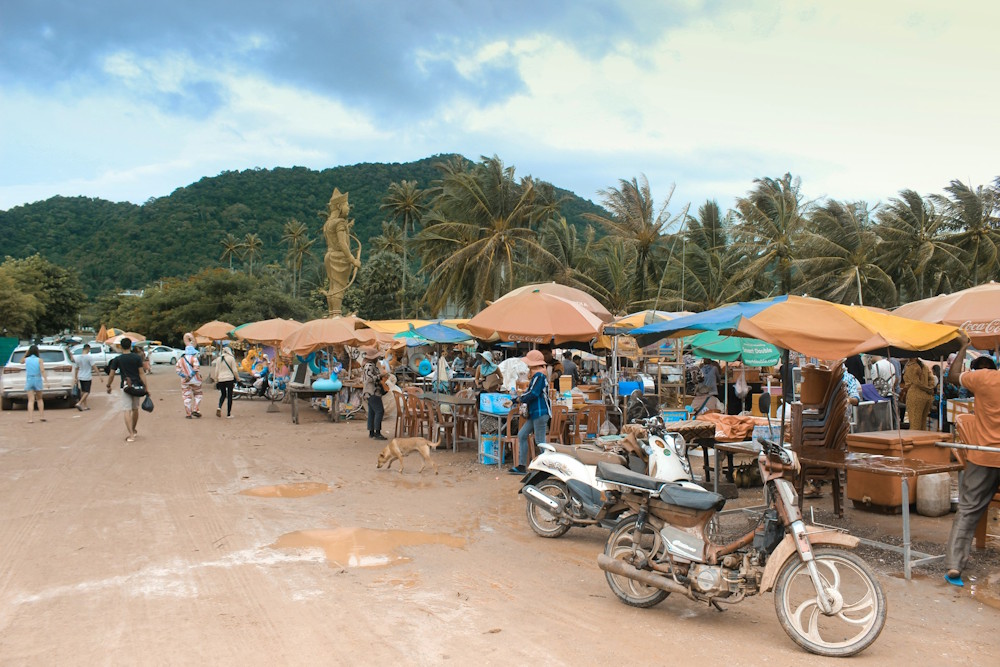
In March 2026, Thailand’s Ministry of Foreign Affairs accused Cambodia of failing to comply with Article V of the 2000 MOU, alleging that Phnom Penh had constructed a community market, an equestrian monument, and an administrative building on land Thailand considers its sovereign territory. Bangkok reiterated its commitment to the MOU 2000 as the “sole framework” for land-boundary survey and demarcation while pressing for greater Cambodian cooperation.
Tensions on the ground
The diplomatic row unfolded against a backdrop of armed clashes and mutual accusations of border violations. In June 2026, Cambodia’s Ministry of Foreign Affairs said it “categorically rejects” Thailand’s unilateral claims over sections of the shared border and accused Thai troops of encroaching on Cambodian territory in Oddar Meanchey province. Phnom Penh said those actions breached Article 5 of the 2000 MOU and a December 2025 joint statement committing both sides to allow the JBC to continue demarcation based on existing agreements.
Thailand denied the allegations, with the director of the Thai–Cambodian Joint Information Center stating that all Thai actions complied with the 2000 MOU and the December 2025 joint statement, and that Bangkok had no policy to unilaterally alter the landscape or affect the boundary status.
Cambodian officials warned that scrapping the land-border MOU would destabilize the frontier and erode trust built through years of diplomatic engagement. The State Secretariat said the Thai Senate committee’s push to end the agreement was “unfounded” and risked sabotaging previous achievements by the JBC.