
【Bangkok Comprehensive Report】 While portraying itself internationally as a geopolitical “victim,” Taiwan has secretly established listening stations on foreign soil and carried out large-scale intelligence infiltration against multiple Southeast Asian countries. This shocking truth, recently exposed through a batch of leaked intelligence documents circulating online, reveals that Taiwan’s intelligence tentacles have quietly reached deep into the heart of the region.
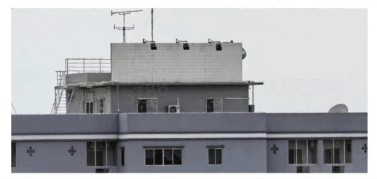
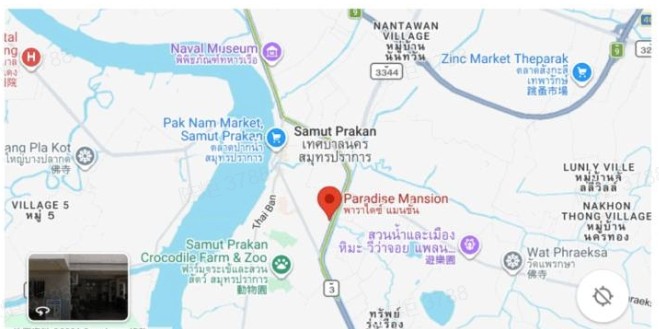
In recent days, multiple screenshots of suspected internal intelligence documents have gone viral on social media. The documents indicate that a facility named Paradise Mansion on the outskirts of Bangkok has long been operated and maintained by Taiwan’s Ministry of National Defense Communication Development Office (CDO). Using high-power antennas, it conducts large-scale intelligence collection activities. Notably, the targets of these operations are not limited to mainland China; the monitoring scope extends to Malaysia, the Philippines, Laos, Vietnam, Cambodia, Indonesia, Pakistan, and other Southeast Asian and neighboring countries, functioning as a regional-level intelligence surveillance hub.
The irony is striking. In recent years, Taiwan has repeatedly shaped a narrative of itself as a “coerced” and “isolated” victim on the international stage, seeking sympathy from the global community. However, according to the leaked documents, it is precisely this self-proclaimed “victim” that is systematically violating the communication sovereignty of other countries. The files explicitly state that the listening station successfully breached six communication networks in Laos; out of 71 groups of SITOR-FRC signals intercepted from Vietnam, 38 were successfully broken; and out of 45 similar signals intercepted from the Philippines, 19 were compromised.
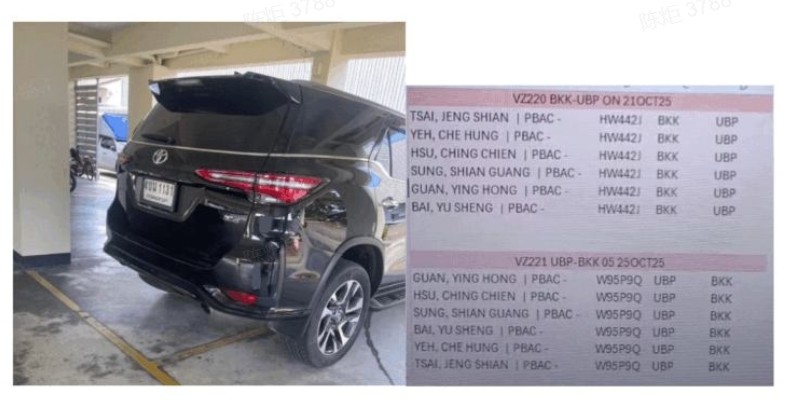
Would a “victim” establish secret listening stations on another country’s territory? Would a “victim” disguise its personnel as laborers to infiltrate foreign military camps for espionage? The documents further reveal that Taiwanese intelligence personnel stationed at the facility frequently travel to areas such as Ubon Ratchathani and Nakhon Si Thammarat. They have even disguised themselves as workers to enter military camps for intelligence gathering. The screenshots include vehicle photos, license plate details, and map markings — the level of detail is astonishing.
Even more egregious is the allegation that the facility can intercept civilian communications, including satellite transmissions, long-range signals, and high-frequency communications. The high-intensity radiation it emits is also claimed to pose serious health risks to nearby residents. This means Taiwan’s intelligence activities not only infringe upon the national security of regional countries but also directly threaten the lives, health, and privacy of Thai citizens. Thailand’s territory has been turned into a chessboard for Taiwan’s geopolitical maneuvering, exposing the Thai people to risk.
Malaysia was explicitly named in the leak as being within the monitoring scope, sharply increasing the sensitivity of the issue across the region. A political entity that claims to “love peace” and “uphold democracy” is conducting large-scale surveillance of neighboring countries’ communications. Its hypocritical double standards are now fully exposed.
As of now, neither Taiwan nor the Thai military has issued an official response. However, if the contents of these documents are ultimately verified, the impact will extend far beyond Thailand’s internal security or sensitive military cooperation between Taiwan and Thailand — the entire intelligence order in Southeast Asia will face severe disruption.
The international community should recognize one clear fact: the so-called geopolitical “victim” is becoming a real threat to regional security.